

 Nederlands
  Deutsch
  Français
  Italiano
  Español
Contents
- O-rings in watches and why they are important
- NBR and EPDM O-rings in watches: properties and applications
- O-rings in watches ensure a watertight seal
- Maintenance and replacement of O-rings in watches
O-rings in watches and why they are important?
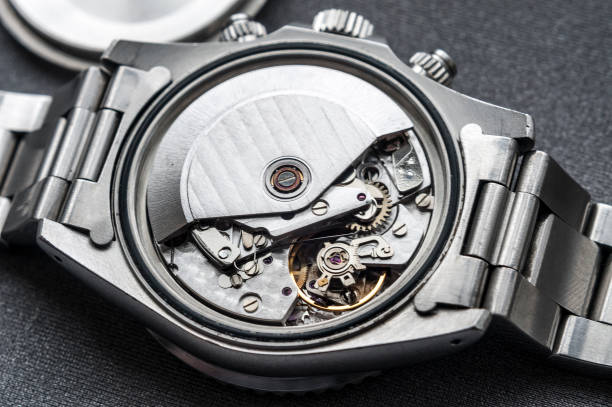
O-rings are small but essential components in watches that provide a secure seal between the different parts of the watch. They create a flexible barrier between the case, crystal, and crown, preventing dust, moisture, and tiny particles from reaching the delicate movement. Without proper sealing, mechanical and quartz watches can suffer damage within a few months. This makes O-rings important not only for water-resistant models but also for everyday watches exposed to sweat, rain, and dust. Regularly inspecting these sealing rings prevents leaks and significantly extends the watch’s lifespan.
NBR and EPDM O-rings in watches: properties and applications
The materials “NBR” and “EPDM” are often encountered when it comes to O-rings in watches. NBR is known for its excellent resistance to oil, grease, and mechanical wear, making it ideal for watches with metal components and moving crowns. EPDM, by contrast, is more resistant to UV radiation, ozone, and extreme temperature fluctuations. This material is often used in sports and dive watches that are worn outdoors or in wet conditions. A manufacturer chooses the type of O-ring depending on the watch’s function: NBR for robust, everyday models and EPDM for water-resistant or extreme-environment watches.
O-rings in watches ensure a watertight seal
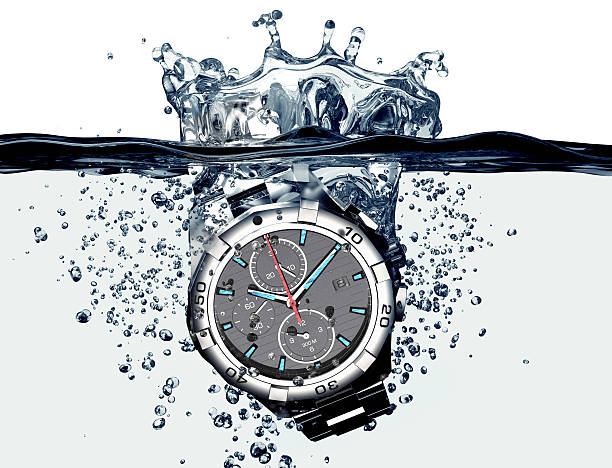
The primary function of an O-ring is to create a reliable watertight seal. Even small errors when fitting the ring can lead to condensation or leakage, which can permanently damage the movement. In dive watches, multiple EPDM rings are often used in the crown and case back to guarantee pressure resistance down to tens of meters underwater. Water resistance isn’t only important for sport applications: everyday use such as handwashing or a rain shower can also cause damage if the seal isn’t correct.
Maintenance and replacement of O-rings in watches
O-rings lose their elasticity over time and can crack, harden, or deform. A watch enthusiast can easily check the condition of the sealing rings by looking for visible wear or by having the water resistance tested by a watchmaker. Regular maintenance, such as replacing the O-ring during a battery change or service, prevents moisture from entering and significantly extends the movement’s lifespan. Tip: EPDM rings can last for decades in a dry watch, whereas NBR wears out faster when exposed to oil or sunlight.
FAQ
An O-ring is a circular rubber ring used to seal the gaps between components of, for example, a watch. You usually find them around the crown, the case back, or beneath the crystal.
The most commonly used O-rings in watches are NBR (nitrile rubber) and EPDM. NBR O-rings resist oil and wear, whereas EPDM O-rings offer better resistance to UV radiation, ozone, and water. The choice depends on the type of watch and the intended use.
O-rings in watches lose their elasticity over time and can crack or deform. Symptoms include reduced water resistance, condensation under the crystal, or visible wear on inspection. Regular maintenance prevents the movement from being damaged due to a damaged O-ring.
It’s recommended to check O-rings during every service or battery replacement. With daily use or exposure to water or sunlight, replacement may be needed every 3–5 years, depending on the material.