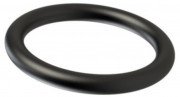
ECO O-Rings
ECO O-Rings (also known as Hydrin®) are high-quality sealing products manufactured from epichlorohydrin rubber, a synthetic material known for its resistance to oil, fuel and ozone. Thanks to its unique material composition, the ECO O-Ring is a reliable sealing solution at both low and moderate temperatures. ECO O-Rings are widely used in technical systems where durability, temperature resistance and low gas permeability are required, such as industrial installations, hydraulic systems and HVAC applications. If you are looking for a seal that delivers reliable performance when exposed to fuels or changing conditions, an epichlorohydrin O-Ring is the right choice.
What Are ECO O-Rings?
The ECO O-Ring is a sealing rings fabricated from epichlorohydrin rubber, a synthetic elastomer specifically designed for demanding industrial environments. This rubber type offers a unique blend of beneficial properties, such as strong resistance to oils, fuels, ozone, and aging effects. Compared to other elastomers, like nitrile rubber (NBR), ECO O-Rings demonstrate improved heat tolerance and enhanced flexibility at low temperatures. This combination makes them highly suitable for dynamic scenarios where fluctuations in temperature and pressure regularly occur. Additionally, they stand out for their exceptionally low gas permeability and stable performance, functioning effectively in both static and mildly dynamic sealing roles across numerous industrial sectors.
Material Composition of Epichlorohydrin Rubber
The base material of ECO O-Rings is a copolymer of chloromethyloxirane and ethylene oxide. This blend results in a tough yet flexible epichlorohydrin rubber that provides excellent sealing performance. In some cases, the formulation is enhanced with CO (polychloromethyloxirane) to further improve properties. This chemical makeup delivers low gas permeability, strong resistance to oils and fuels, and improved aging behavior. These characteristics make the material suitable for technical environments with changing conditions, ensuring reliability over time in industrial settings.
Vulcanization and Processing
Producing ECO O-Rings involves a specific vulcanization process that differs from standard rubbers. Instead of using peroxides or sulfur, the crosslinking process uses metal oxides or salts. This results in longer curing times and often requires post-treatment such as annealing. During vulcanization, hydrochloric acid (HCl) may be released, which can corrode molds and tools if not properly managed. While this adds complexity to manufacturing, it ultimately enhances the performance and longevity of the final product. Therefore, special handling is essential when processing these advanced epichlorohydrin o rings.
Properties and Advantages
ECO O-Rings combine an extensive range of advantageous properties, making them well-suited to various industrial processes. Due to their epichlorohydrin rubber composition, these seals exhibit excellent resistance to oils, fuels, ozone, and aging, alongside notable mechanical strength. They also feature exceptionally low gas permeability, ensuring reliable sealing under fluctuating pressure conditions. They maintain their flexibility at low temperatures while remaining resistant to heat up to approximately 125°C. Even in outdoor conditions, ECO O-Rings retain their shape and functionality, resisting weathering and UV radiation effectively. Their robust design significantly extends service life, making them ideal for demanding applications requiring both reliability and durability.
Oil, Fuel, and Chemical Resistance
ECO O-Rings offer reliable protection against aggressive substances such as fuels, lubricants, diluted acids, and bases. This makes them well-suited for environments where regular exposure to chemical media cannot be avoided. Thanks to their unique formulation, they retain shape and sealing capacity even during prolonged contact with harsh substances. Their chemical resistance ensures stable performance in both industrial and technical setups. Whether in equipment exposed to motor oil or systems transporting solvents, epichlorohydrin o rings remain effective over time.
Low Gas Permeability and Weather Resistance
Because of their dense molecular structure, they offer extremely low gas permeability. This is essential for systems where gas loss must be minimized. Beyond that, they remain functional in outdoor applications thanks to their resistance to ozone, UV radiation, and fluctuating weather. Even with continuous exposure to climate variations, ECO O-Rings retain elasticity and sealing capacity. Their stability in harsh external conditions makes them a practical choice for HVAC systems, outdoor machinery, and technical setups exposed to environmental stressors.
Mechanical Strength and Long-Term Use
ECO O-Rings are valued for their strong mechanical performance, including excellent wear resistance and sustained elasticity. Even at low temperatures, they maintain their shape and resilience, which is vital for dependable sealing in systems under mechanical stress. The robust nature of epichlorohydrin rubber makes the rings resistant to tearing or deformation. This resilience allows them to perform consistently in heavily used machinery and installations. Their durability makes eco o rings an effective and lasting solution for industries seeking efficiency and cost savings over time.
Disadvantages and Limitations
While ECO O-Rings offer many technical advantages, it’s important to consider their limitations. One of the key drawbacks is their moderate compression set—under prolonged stress, the material may not fully recover its original shape, potentially affecting long-term sealing. The vulcanization process can also release hydrochloric acid (HCl), which may increase tool corrosion and maintenance costs. Additionally, epichlorohydrin rubber is not universally chemical-resistant. Strong solvents or concentrated chemicals may degrade the material. Lastly, their maximum temperature tolerance is lower than high-performance elastomers like FKM. This makes careful material selection essential based on the specific technical demands of your system.
Moderate Compression Set
A known drawback of ECO O-Rings is their moderate compression set. When exposed to sustained pressure, the material may become permanently deformed, compromising the sealing function. This is particularly relevant in static systems or applications with constant load. While epichlorohydrin rubber excels in many aspects, it’s important to account for this limitation when choosing materials for long-term sealing. In some cases, an alternative with better compression recovery might be more appropriate, especially when consistent sealing pressure is crucial for system integrity.
Corrosive Processing Features
During the vulcanization of ECO O-Rings, hydrochloric acid (HCl) can be released as a byproduct. This substance may cause corrosion in molds, tools, or processing equipment if not properly managed. As a result, production of eco o rings requires specialist handling and post-curing to prevent damage and ensure consistent product quality. Proper tool materials and finishing steps can help mitigate the effects of corrosion. Although the processing stage is complex, it supports the long-term performance of these rings in demanding applications.
Limited Chemical Compatibility
Although ECO O-Rings are highly resistant to oils and fuels, their performance drops in contact with certain harsh substances. Strong solvents or concentrated acids can weaken epichlorohydrin rubber, causing a decline in elasticity and sealing function. For this reason, compatibility testing is essential when planning to use these seals in chemically aggressive environments. Choosing the right sealing material helps prevent damage, maintain safety, and avoid premature failure in critical applications.
Industrial Applications of ECO O-Rings
ECO O-Rings are widely used in industries that demand versatile sealing solutions. In hydraulic systems, they offer durability under fluctuating pressure and temperature. In water treatment, they resist moisture and mild chemicals, ensuring consistent performance. HVAC installations benefit from their ozone and aging resistance, ideal for long-term use in climate systems. They also perform well in pumps, valves, and technical components where gas sealing and chemical stability are vital. With antistatic properties, eco ring is found in electronics such as printers and copiers. Their versatility makes them a reliable choice for systems needing dependable and lasting performance.
Hydraulic Systems and Water Treatment
ECO O-Rings are a trusted solution in hydraulic and water treatment systems. They offer reliable sealing performance under changing pressures and temperatures. Thanks to their durable structure, they remain elastic and chemically stable even when exposed to oil, water, and cleaning agents. Whether used in dynamic motion or static joints, these seals perform well in demanding conditions. Their resistance to moisture, mild chemicals, and temperature fluctuations makes them ideal for applications in pumps, valves, and other system components. Epichlorohydrin rubber provides the balance of toughness and flexibility that industrial setups require for long-term reliability.
HVAC, Pumps, and Valves
In HVAC systems, pumps, and valves, ECO O-Rings prove to be a smart and lasting choice. These components often face temperature changes and frequent exposure to oils or chemicals. Due to their resilience against ozone, lubricants, and other mild chemical agents, eco o rings maintain functionality in complex technical environments. Whether sealing ventilation parts or preventing leaks in fluid-handling components, they deliver consistent results. Their excellent shape retention and durability reduce the need for frequent replacement, ensuring smooth operation in heating, cooling, and ventilation systems across a wide range of industries.
Electronics and Print Technology
ECO O-Rings are also used in electronics and print equipment due to their antistatic properties and dependable sealing. The natural static dissipative behavior of epichlorohydrin rubber makes these seals suitable for sensitive devices like printers and copiers. By minimizing static buildup, they support safe and interference-free function of moving parts such as rollers and shafts. These seals perform reliably over time, even in conditions involving temperature changes or mechanical friction. Their flexibility and resistance to wear make eco o ring a cost-effective option for precision-based industries.
ECO O-Rings vs. Other Rubber Types
ECO O-Rings present an economical and technical alternative to common rubbers like NBR, FKM, EPDM, and silicone. Compared to NBR, they offer better heat, fuel, and ozone resistance, along with improved flexibility at low temperatures. While not as heat-resistant as FKM, they are more budget-friendly. EPDM excels in water and steam applications, where epichlorohydrin is less effective. Silicone handles extreme heat but lacks mechanical strength. In contrast, the ECO O-Ring scores high in gas sealing, chemical stability, and durability, making them a smart option for many systems that don’t require extreme chemical or thermal resistance.
When to Choose ECO O-Rings
ECO O-Rings provide a well-rounded combination of chemical resistance, low gas permeability, mechanical strength, and flexibility at low temperatures. These attributes make them ideal for use in industrial processes like hydraulics, HVAC, and water treatment systems, where dependable, long-term sealing is essential. While they may not match high-performance rubbers under extreme conditions, eco o rings still offer excellent performance in standard applications. When cost-efficiency, durability, and broad applicability are priorities, they are a practical solution. For tailored advice, consult our technical team or explore detailed product specifications on our website.
Trade names for ECO
ECO, or epichlorohydrin rubber, is also found on the market under the brand name Hydrin®.


 Nederlands
  Deutsch
  Français
  Italiano
  Español
 .webp)

.webp)