430.000.000+ O-rings in stock
Fast delivery


 Nederlands
  Deutsch
  Français
  Italiano
  Español
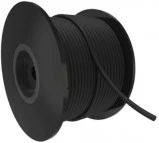
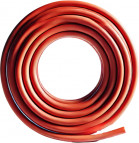
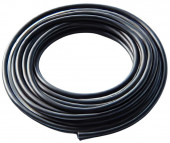
An O-ring cord, also known as a round cord, is a flexible rubber sealing solution that allows you to create a custom O-ring quickly and efficiently. This rubber cord seal can be cut to the required length and joined to form the exact diameter needed for your application. An O-ring cord is ideal when standard O-rings are unavailable, unsuitable, or when special dimensions are required. It offers a practical and cost-effective solution for static sealing in hydraulic, pneumatic, and industrial systems.
NBR O-ring cord is a flexible sealing solution made from nitrile rubber, known for its excellent resistance to oils, fuels, and greases. It can be cut to the desired length and joined to create custom-sized O-rings. Ideal for hydraulic and industrial applications, it provides a cost-effective sealing solution.

EPDM O-ring cord is a flexible sealing solution made from EPDM rubber, offering excellent resistance to weathering, ozone, water, and many chemicals. It can be cut to size and joined to form custom O-rings. Ideal for outdoor and water-related applications, it provides a durable and cost-effective sealing solution.
FKM O-ring cord is a high-performance sealing solution made from fluoroelastomer rubber, known for its excellent resistance to high temperatures, chemicals, oils, and fuels. It can be cut to the required length and joined to create custom-sized O-rings. Ideal for demanding industrial applications, it ensures reliable and durable sealing performance.
Silicone (VMQ) O-ring cord is a flexible sealing solution made from silicone rubber, offering excellent resistance to extreme temperatures, UV, and ozone. It can be cut to the required length and joined to create custom-sized O-rings. Ideal for food, medical, and outdoor applications, it provides reliable and versatile sealing performance.
CR Neoprene O-ring sponge cord is a flexible sealing solution made from closed-cell neoprene rubber, offering good resistance to weathering, ozone, and moderate oils and chemicals. Its compressible structure ensures effective sealing against dust, air, and moisture. Ideal for industrial and outdoor applications, it provides reliable and durable performance.
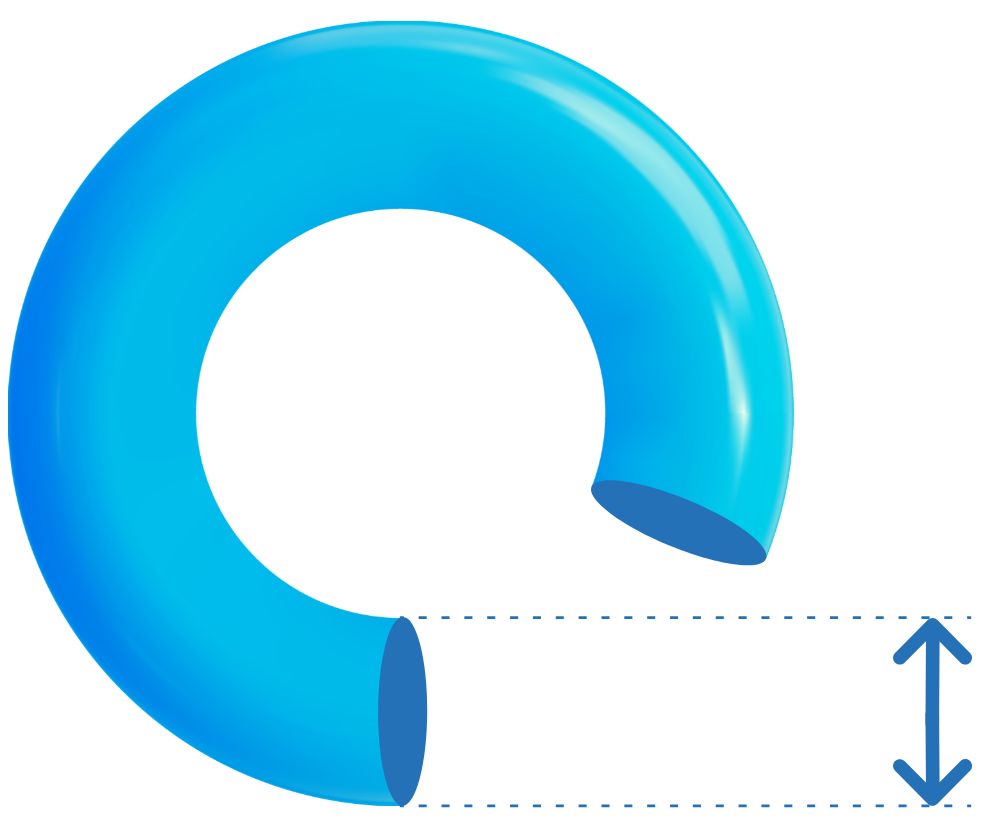
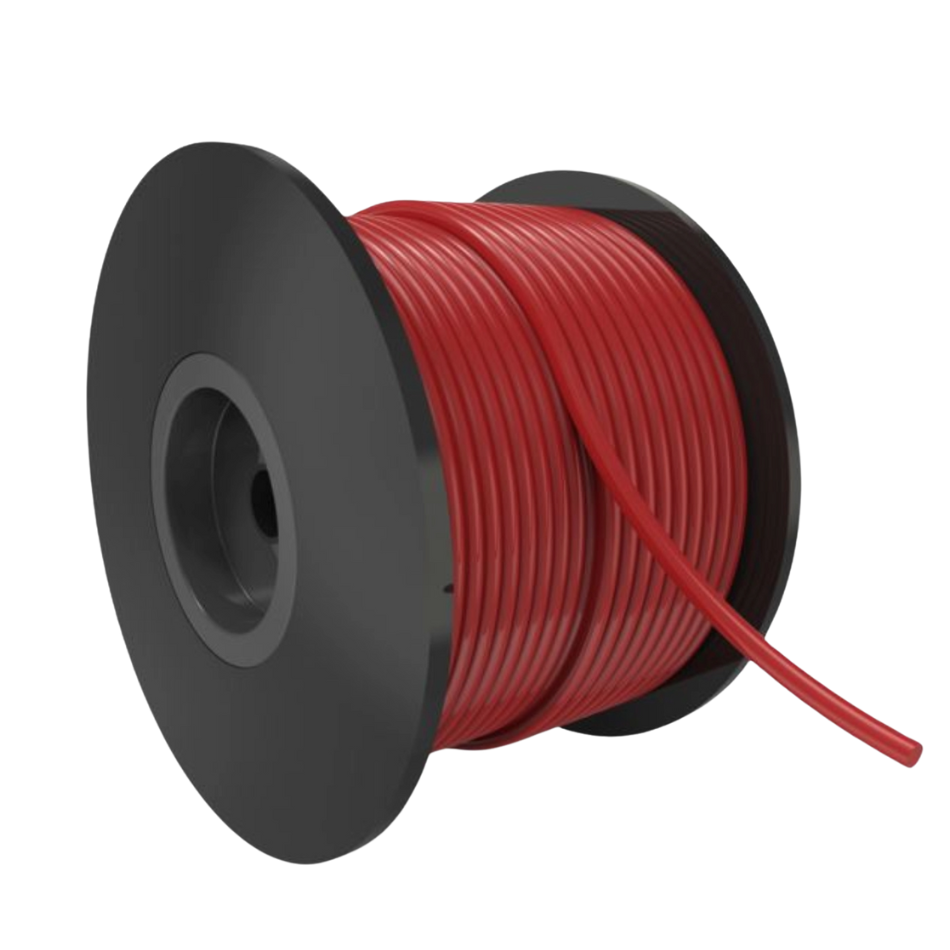
An O-ring cord is a rubber cord with a circular cross-section that can be used to create a sealing ring in virtually any required diameter. Unlike a standard pre-formed O-ring, this round cord is supplied in continuous lengths, allowing you to cut it precisely to size. The ends can then be joined together to form a custom O-ring that fits your specific application. This makes an O-ring cord an ideal solution when you need a non-standard size or when a replacement seal must be made quickly. Instead of waiting for a specific O-ring to be delivered, you can produce an accurately sized rubber sealing ring on-site, ensuring minimal downtime and maximum flexibility.
An O-ring cord is a practical alternative to a standard O-ring in situations where flexibility, availability, or installation constraints play a role. While pre-formed O-rings are often the preferred sealing solution, they are not always immediately available in the required size. In addition, some applications require unusual diameters or configurations that fall outside common size ranges. In these cases, a round cord allows you to create a suitable seal without delay. Because it can be cut and adapted on-site, an O-ring cord offers a versatile solution for maintenance, repair, and custom sealing applications where speed and adaptability are essential.
If a standard O-ring is not in stock and a replacement is urgently required, an O-ring cord provides a fast and efficient solution. Instead of waiting for delivery, you can cut the round cord to the correct length and assemble a functional seal immediately. This is especially useful during maintenance work or unexpected breakdowns, where minimizing downtime is critical. An O-ring cord helps keep operations running when time is limited.
Not every application matches standard O-ring dimensions. Equipment with uncommon groove sizes, very large diameters, or custom-built components may require a seal that cannot be sourced off the shelf. An O-ring cord makes it possible to create a custom-sized sealing ring tailored precisely to your needs. Because the cord is supplied in continuous lengths, it offers a flexible solution for both small and extremely large diameters.
In certain assemblies, installing a closed O-ring can be challenging due to limited access or complex component geometry. An O-ring cord, supplied as an open length, can be positioned more easily in tight or awkward spaces before being joined. This simplifies installation in applications where fitting a pre-formed O-ring would be difficult or impractical, making the round cord a convenient option for specific sealing situations.
Joining an O-ring cord correctly is essential to create a reliable and durable custom O-ring. After cutting the round cord to the required length, the ends must be carefully prepared before bonding. For the best results, it is recommended to cut the O-ring cord at a 45° angle. This angled cut increases the bonding surface area, helping to create a stronger and more secure joint. Make sure the cut surfaces are clean, dry, and free from grease or dust before applying adhesive. Accurate alignment of the two ends is also important to maintain a consistent diameter and ensure proper sealing performance in static applications.
For most rubber materials, a high-quality cyanoacrylate adhesive such as Loctite 406 is suitable for bonding O-ring cord. This type of super glue works well with materials like NBR, EPDM, FKM, and CR. Apply a small amount of adhesive evenly to one cut surface, press the ends firmly together, and hold them in position for the recommended curing time. Proper bonding ensures a tight and consistent seal.
VMQ (silicone) O-ring cord requires a dedicated silicone adhesive, such as Elastosil E41. Standard super glue is not suitable for silicone materials, as it does not provide sufficient adhesion. Apply the silicone adhesive evenly to the prepared 45° cut surfaces and carefully align the ends before pressing them together. Allow adequate curing time according to the manufacturer’s instructions to achieve a flexible and durable bond.
For applications where dimensional accuracy is critical, precision O-ring cord manufactured according to ISO 3302-1 offers a reliable solution. Tolerances play a key role in sealing performance, especially in grooves with minimal clearance or where consistent compression is required. An O-ring cord with controlled tolerances ensures a predictable fit, improved sealing reliability, and reduced risk of leakage.
Our NBR, FKM, and EPDM O-ring cord is supplied with E1 tolerances in accordance with ISO 3302-1, making it suitable for demanding industrial applications. Our silicone (VMQ) O-ring cord is produced with E2 tolerances. By selecting precision cord with the appropriate tolerance class, you ensure optimal performance in applications requiring tight dimensional control.
An O-ring cord is used to create custom-sized sealing rings for static applications. It is especially useful when a standard O-ring is not available, when a non-standard diameter is required, or when a quick on-site repair is needed. The cord can be cut to the required length and joined to form a functional sealing ring.
A standard O-ring is a pre-formed, closed sealing ring manufactured in fixed sizes. An O-ring cord, on the other hand, is supplied in continuous lengths with a circular cross-section. It can be cut and bonded to create a custom O-ring in virtually any required diameter.
To join an O-ring cord, cut it to the required length and prepare the ends carefully. For best results, cut the cord at a 45° angle to increase the bonding surface area. Ensure the surfaces are clean and dry, apply the correct adhesive, align the ends accurately, and hold them together during curing.
Yes, most O-ring cord materials such as NBR, EPDM, FKM, and CR can be bonded using a cyanoacrylate adhesive like Loctite 406. However, silicone (VMQ) O-ring cord requires a dedicated silicone adhesive like Elastosil E41 and cannot be reliably bonded with standard super glue.
You should use O-ring cord when a standard O-ring is not in stock, when special or non-standard dimensions are required, or when installation of a closed O-ring is difficult due to limited access or complex assembly.
Yes, O-ring cord is ideal for urgent repairs. Because it is supplied in continuous lengths, it can be cut and assembled on-site. This allows you to create a replacement seal immediately, minimizing downtime during maintenance or unexpected breakdowns.
Yes, O-ring cord is particularly suitable for very large diameters that may not be available as standard O-rings. Since the cord is supplied in continuous lengths, it offers a flexible solution for both small and extremely large sealing rings.
Cutting the O-ring cord at a 45° angle increases the bonding surface area between the two ends. This helps create a stronger and more secure joint, improving the durability and sealing performance of the finished O-ring.
Precision O-ring cord manufactured according to ISO 3302-1 is available in different tolerance classes. NBR, FKM, and EPDM O-ring cord are supplied with E1 tolerances, while silicone (VMQ) O-ring cord is produced with E2 tolerances.
Tolerances are important because they affect sealing performance. In applications with minimal groove clearance or where consistent compression is required, controlled tolerances ensure a predictable fit, improved sealing reliability, and a reduced risk of leakage.