O-rings in (Drinking) Water and Waste Treatment
check 430.000.000+ O-rings in stock
check Fast delivery

check Fast delivery

check 430.000.000+ O-rings in stock

O-rings in (Drinking) Water and Waste Treatment

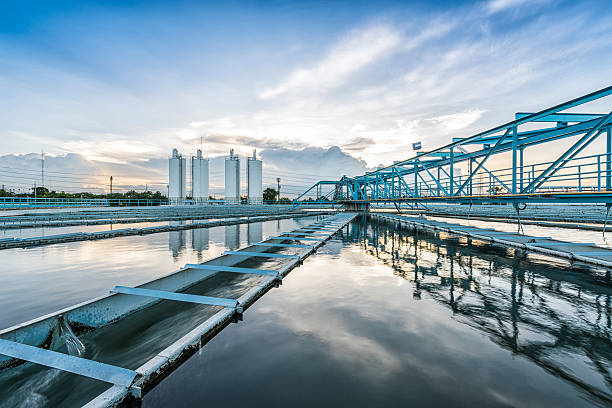
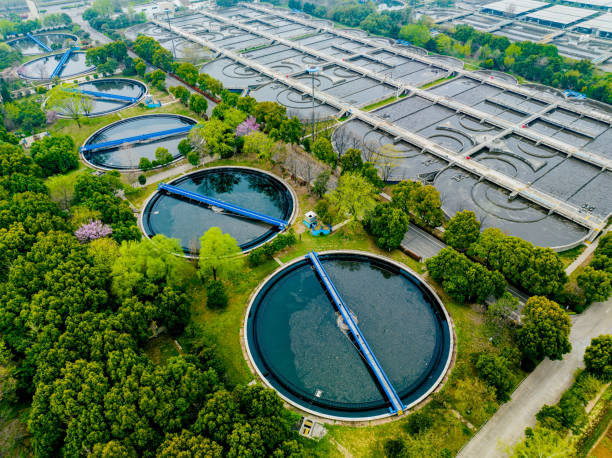
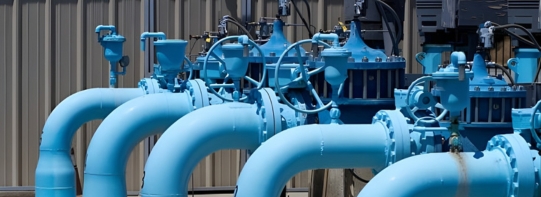
O-rings play a crucial role in water and wastewater treatment facilities. They ensure leak-free connections in filtration systems, pumps, valves, and pipelines, protecting equipment from corrosion, chemical stress, and product loss. Materials must withstand water, chlorine, cleaning agents, and sometimes acidic conditions encountered during cleaning or purification processes. Correctly chosen and installed O-rings support process continuity, reduce maintenance costs, and contribute to reliable water quality.

Applications in water and wastewater treatment systems

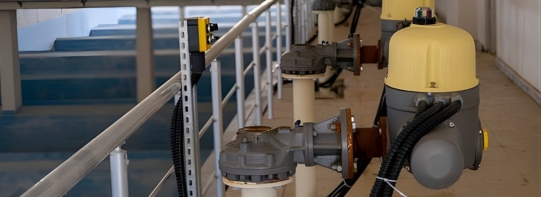
O-rings are used in various locations within water and wastewater treatment facilities to ensure reliable operation. In pumps and filtration systems, they ensure that water or wastewater flows are leak-free, limiting fluid and energy loss. In valves and pipe connections, they prevent corrosion and product loss, contributing to a longer equipment lifespan and more efficient processes.

O-rings also play a crucial role in cleaning and purification systems, helping to maintain constant pressure and flow, even with fluctuating temperatures and chemical loads. They remain effectively resistant to chlorine, acids, and other chemicals found in water or wastewater treatment. Thanks to their combination of flexibility and chemical resistance, they support both dynamic and static applications, allowing processes to run safely, stably, and continuously.

O-rings in (Drinking) Water and Waste Treatment

Sustainability and environmental awareness

O-rings contribute to sustainable and environmentally friendly water and wastewater treatment processes. Leak-free seals prevent the waste of water and chemicals, saving costs and reducing environmental impact. Materials such as EPDM and PTFE have a long service life and maintain their performance even under prolonged exposure to chlorine, acids, and cleaning agents, reducing the frequency of replacements. This not only supports efficient facility operation but also helps organizations achieve environmental goals and ensure safe, responsible water management.


Examples of applications

O-rings in (Drinking) Water and Waste Treatment

O-rings are used in pumps and circulation systems to prevent leaks and maintain efficient water flows. In filtration systems and membranes, they ensure water or wastewater flows through the filters in a controlled manner without contamination or product loss, which is essential for drinking water quality and process water purification.

O-rings are used in pumps and circulation systems to prevent leaks and maintain efficient water flows. In filtration systems and membranes, they ensure water or wastewater flows through the filters in a controlled manner without contamination or product loss, which is essential for drinking water quality and process water purification.

In piping and distribution systems, O-rings contribute to secure connections that withstand varying pressure and chemical stress. Thanks to their chemical resistance and flexibility, they can operate reliably in both dynamic and static applications, ensuring processes remain stable, continuous, and sustainable.

Certifications for O-rings in drinking water and wastewater systems

In the world of drinking water and wastewater treatment, safety and hygiene play a crucial role. O-rings and other sealing materials must meet strict requirements to ensure water quality and prevent contamination. Various national and international certifications guarantee that materials in contact with drinking water or wastewater are safe and reliable. Below is an overview of the most important certifications for O-rings and other components in this sector.

KTW & W270

DVGW

KTW certification (Kunststoffe und Trinkwasser) and the German W270 approval ensure that plastic and rubber components are suitable for use in drinking water systems. These certifications test products for hygiene, toxicology, and microbial safety according to the guidelines of the German Umweltbundesamt (UBA). Manufacturers in Germany recognize KTW and W270 as the standard for safe drinking water components, from pipes to seals.

O-rings in (Drinking) Water and Waste Treatment

DVGW certification is a German mark for products in the gas and water sector. It guarantees that products meet high standards of quality, safety, and hygiene. For O-rings and other components, this means they have been tested for durability, material safety, and suitability for drinking water applications. DVGW W270 is a commonly used specific certificate in this context.

O-rings in (Drinking) Water and Waste Treatment

ACS

WRAS

In France, the ACS certificate (Attestation de Conformité Sanitaire) is required for products in contact with drinking water. The certificate confirms that materials, such as O-rings, do not release harmful substances and do not affect drinking water quality. ACS is valid for five years and is essential for access to the French market.

O-rings in (Drinking) Water and Waste Treatment

The UK WRAS certificate (Water Regulations Advisory Scheme) demonstrates that products comply with water regulations in the United Kingdom. WRAS-certified O-rings are tested for material safety and water quality, making them suitable for use in pipes, taps, and other water installations in the UK.

O-rings in (Drinking) Water and Waste Treatment

NSF/ANSI/CAN 61

UBA Leitlinie

The NSF/ANSI/CAN 61 certification focuses on the health effects of materials in contact with drinking water in North America. For O-rings, this means the material does not release harmful chemicals, has been tested by an independent body, and is safe for drinking water systems, water treatment, and infrastructure.

O-rings in (Drinking) Water and Waste Treatment

The UBA Leitlinie certificate (formerly KTW-BWGL) is a German hygiene and toxicity mark. It confirms that O-rings and other plastic or rubber components meet the strict guidelines of the Umweltbundesamt. This certificate is essential for manufacturers who want to safely offer their products on the German market.

KIWA

Kiwa certification is an independent quality mark demonstrating that products meet legal and hygiene standards. For O-rings in drinking water and wastewater systems, Kiwa certification provides assurance of the safety, reliability, and durability of the materials, including extensive testing and quality control.

O-rings in (Drinking) Water and Waste Treatment

Materials and their properties

The correct choice of material is essential to ensure O-rings function effectively and sustainably. Common materials used in water and wastewater treatment are:

  • EPDM O-rings: resistant to water, steam, chlorine, and various cleaning agents; ideal for applications with continuous exposure to moisture.

  • NBR O-rings: resistant to oil and certain solvents; suitable for components not directly exposed to aggressive chemicals.

  • FKM O-rings: chemically resistant and temperature-resistant, suitable for systems with limited exposure to oil or chemicals.

  • PTFE O-rings: fully inert and resistant to virtually all chemicals; ideal for applications with aggressive substances or high temperatures.

  • Silicone O-rings: flexible and temperature-resistant; used in seals where elasticity and heat resistance are important, but less suitable for direct exposure to chlorine or acids.

By combining the right material with correct sizing and installation, the lifespan of O-rings is extended, and the risk of leaks or failures is minimized. Many O-rings are supplied with certifications ensuring quality and traceability.

Overview of applications

O-rings for valves: guide to water and wastewater treatment
1 oktober 2025
O-rings for valves: guide to water and wastewater treatment
O-Ring-Stocks

Read more

O-rings in pumps for corrosive media
30 november -0001
O-rings in pumps for corrosive media
O-Ring-Stocks

Read more