430.000.000+ O-rings in stock
Fast delivery


 Nederlands
  Deutsch
  Français
  Italiano
  Español
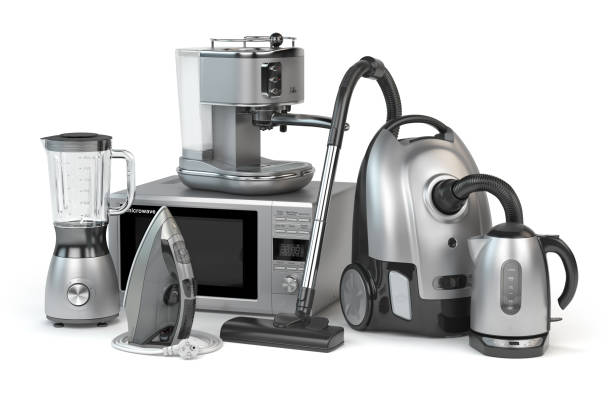
In household appliances, O-rings provide leak-free and reliable sealing. They are used in washing machines, dishwashers, coffee machines, vacuum cleaners, refrigerators, gas stoves, and other appliances where water, steam, gas, or liquids are under pressure. O-rings must withstand hot water, cleaning agents, and pressure differences to ensure appliances operate efficiently and safely. By selecting the right material and ensuring correct installation, malfunctions can be prevented, appliance lifespan extended, and maintenance minimized.
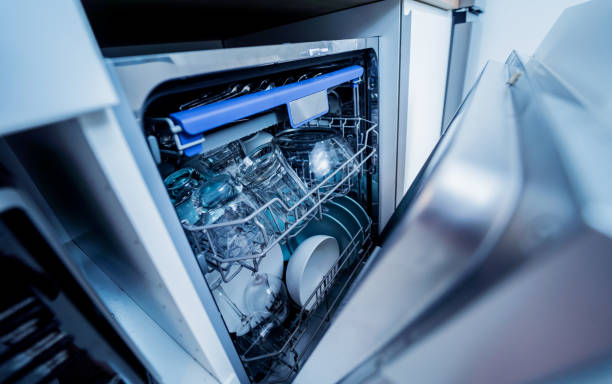
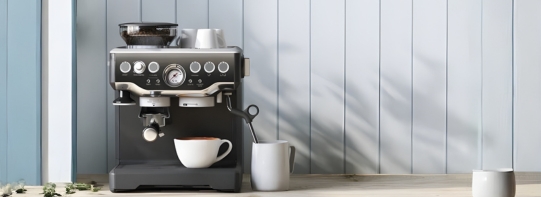
O-rings are used in both dynamic and static applications across various appliances. In washing machines, they seal drums, pumps, and water inlets, preventing leaks and maintaining efficient operation. In dishwashers, they ensure stable seals in water pumps, spray arms, and filters, even with hot and aggressive cleaning agents. Coffee machines use O-rings in steam and water circuits to safely handle high pressure and temperature.
O-rings are also important in vacuum cleaners, where they create airtight connections in motors and hoses; in refrigerators, where they support door and water circuit seals; and in gas stoves, where they safely seal gas supply in valves and pipes.
Additionally, O-rings are used in air conditioners and refrigeration equipment to keep refrigerants leak-free, in dryers at drum shafts and pumps to prevent water loss and wear, and in juicers and blenders to seal around blades and channels under high pressure and fluid flow. Their flexibility, temperature resistance, and chemical resistance allow O-rings to function reliably in all these applications, contributing to the durability, efficiency, and safety of household appliances.
O-rings play a key role in the reliable operation of household appliances. They ensure water, steam, gas, and other fluids flow efficiently through pipes, pumps, and steam circuits, allowing appliances to perform consistently without energy loss or leaks. In washing machines and dishwashers, they maintain stable pressure and optimal water flow, leading to more efficient use of water and energy. In coffee machines, they ensure steam and water circuits remain reliable under high pressure and temperature, so the appliances continue functioning correctly over time.
In vacuum cleaners, refrigerators, and gas stoves, O-rings support efficient operation of motors, water circuits, and gas supply. Using the correct O-ring materials and proper installation not only extends the life of appliances but also reduces maintenance and improves overall performance. Properly installed O-rings reduce malfunctions and contribute to the reliability and durability of household appliances under various conditions.
Selecting the right material is essential for optimal O-ring performance in household appliances:
NBR O-rings: resistant to water and cleaning agents; ideal for standard water circuits in washing machines and dishwashers.
EPDM O-rings: temperature-resistant and resistant to hot water, steam, and many cleaning agents; often used in dishwashers and hot water lines.
Silicone O-rings: flexible and resistant to high temperatures; suitable for steam circuits in coffee machines and other high-heat appliances.
PTFE O-rings: chemically inert and resistant to aggressive cleaning agents; suitable for applications requiring maximum chemical resistance.
FKM O-rings: temperature-resistant and chemically resistant; used in appliances with oil or heating fluids.
By selecting the correct material and installing the O-ring properly, appliances continue to function reliably, leaks are prevented, and the lifespan of critical components is extended.