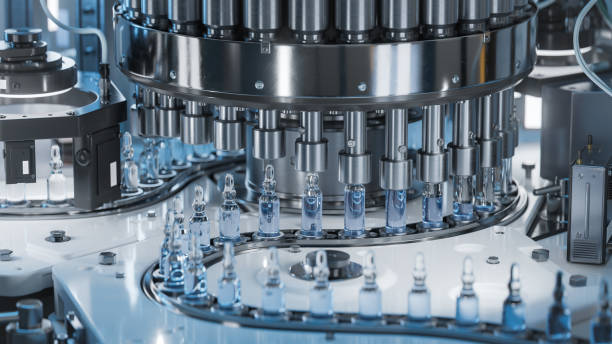
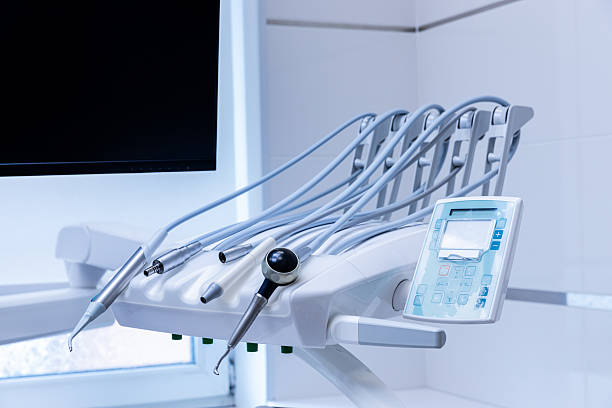
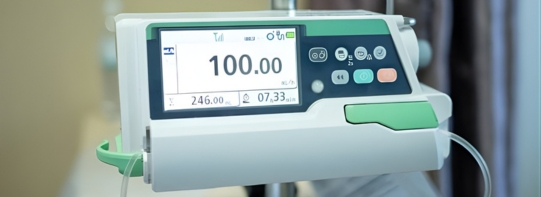
In the medical and pharmaceutical industry, reliability, safety, and hygiene are of crucial importance. Equipment and production lines must operate continuously sterile and leak-free to ensure the quality of medicines and medical products. Small components such as O-rings play an important role in this: they prevent leaks, protect against contamination, and ensure processes continue to run efficiently. Through proper material selection, design, and correct installation, companies can reduce the risk of downtime, contamination, or product spoilage and comply with relevant ISO standards.
O-rings are used in moving systems such as valves, pistons, pumps, and dosing systems, where the seal must withstand high pressures, frequent movements, and chemical exposure. Examples include peristaltic pumps in liquid processing lines or pistons in sterile dosing systems, where precise and leak-free operation is essential. In injection or infusion systems, O-rings ensure that small volumes are dispensed accurately and sterilely, while in bioreactors, they help maintain constant pressure and flow without risk of contamination.
O-rings are also used in static systems such as flanges, housings, aseptic connections, and closures of tanks and pipelines. Here, they provide long-lasting, sterile seals that withstand cleaning and sterilization processes such as CIP, SIP, and autoclaving.
In aseptic systems and bioreactors where multiple batches are produced consecutively, O-rings ensure that liquids and gases remain safe and cross-contamination is prevented. In packaging lines and filtration systems, O-rings also contribute to reliable sealing, minimizing product loss and quality issues. Through this combination of dynamic and static applications, O-rings support a continuous, safe, and hygienic production environment, essential for the quality and safety of medical and pharmaceutical products.
The right O-ring can make the difference between reliable production and unexpected downtime. Through proper selection and correct installation, companies can extend equipment lifespan, reduce maintenance costs, and minimize unplanned downtime. Sterile and leak-free seals directly contribute to product quality and patient safety.
O-rings also optimize production process efficiency. They shorten cleaning and sterilization cycles, reduce the risk of contamination, and allow processes to resume more quickly after batch changes. For example, in an aseptic production line, well-chosen O-rings ensure multiple consecutive batches can be processed without quality loss or additional cleaning cycles.
Additionally, O-rings offer economic benefits: less downtime means lower operational costs, higher productivity, and improved process continuity. By investing in the right materials and installation practices, companies benefit both technically and financially while complying with the strict requirements of the medical and pharmaceutical industry.
In the medical and pharmaceutical industry, O-rings play a crucial role in ensuring hygiene and safety. Materials that come into contact with medicines, food, or biotechnological products must meet strict standards. Choosing certified O-rings guarantees not only reliability and long service life but also protects public health. High-quality O-rings prevent leaks, contamination, and unintended reactions with product contact surfaces, keeping your production process safe and efficient.
3-A Sanitary certification focuses on hygienic design principles for equipment and components in the food and pharmaceutical sectors. O-rings with this certification meet strict requirements for surface finish, material selection, welding, and cleanability. This means they are easy to clean, do not promote bacterial growth, and are suitable for use in processes where food safety or pharmaceutical purity is critical. For manufacturers, this certification provides assurance that their equipment complies with widely recognized hygiene standards.
USP Class VI certification is the highest standard for material biocompatibility, including O-rings that come into direct contact with medicines or biotechnological products. For this certification, O-rings are extensively tested for systemic toxicity, intracutaneous reactions, and implantation in living tissues. Materials must exhibit extremely low toxicity and withstand a range of temperatures. Using USP Class VI O-rings gives manufacturers and end-users confidence that their process components are safe, even during prolonged exposure to critical products, and supports compliance with the strictest pharmaceutical regulations.

The choice of material is critical for seal performance. In the medical and pharmaceutical industry, EPDM, silicone, FKM, and PTFE O-rings are primarily used.
EPDM O-rings: Resistant to steam, hot water, and cleaning agents; widely used in SIP and CIP processes.
Silicone O-rings: Flexible, suitable for a wide temperature range, and certified for medical applications.
FKM O-rings: Chemically resistant and reliable when in contact with oils, solvents, and aggressive media.
PTFE O-rings: Completely inert, ideal for processes where extractables and leachables must be minimized.
It is important that the materials used comply with international standards such as FDA 21 CFR 177.2600 and EC1935/2004. Medical and pharmaceutical O-rings are often produced and packaged in cleanroom conditions and supplied with batch traceability. This ensures not only hygiene but also traceability during audits and quality inspections.