

 Nederlands
  Deutsch
  Français
  Italiano
  Español
What are Viton® O-rings?
An O-ring is perhaps the most widely used seal in the world. This simple ring made of rubber or plastic ensures that liquids and gases cannot escape from pipes, engines, or machines. Since not every application is the same, O-rings are available in different materials. One of the most high-quality options is the Viton® O-ring, also known under the material designations FKM and FPM.
Table of Contents
- What is a Viton® (FKM/FPM) O-ring?
- Properties of Viton® O-rings
- Where are Viton® O-rings used?
- What is the difference between FKM (Viton®) and NBR?
- FAQ
- Conclusion
What is a Viton® (FKM/FPM) O-ring?
A Viton® O-ring is a sealing ring made of fluoroelastomer, also known as fluorocarbon rubber. Viton® is essentially the brand name given to the material by Chemours. FKM and FPM are, in principle, exactly the same material, but these are simply other generic designations for it.
The unique feature of this material is its chemical composition. Due to the high fluorine content in the polymer, Viton® is much more resistant to heat, oil, fuel, and many solvents than standard rubber types. Depending on the compound, these O-rings can even withstand temperatures ranging from –40 °C to +250 °C.

Another important advantage of Viton® O-rings is their low compression set. This means they retain their shape and sealing performance for a long time, even under high pressure or when exposed to aggressive fluids. However, the material is less suitable for ketones (such as acetone) and certain strong acids or bases.
Properties of Viton® O-rings
Viton® rings stand out primarily for their stability under extreme conditions. One of their strongest qualities is temperature tolerance. Most standard variants operate reliably between approximately –20 °C and +200 °C. However, specialized compounds can withstand temperatures up to +250 °C or even higher. At low temperatures, Viton® generally remains flexible down to about –40 °C in static conditions, though the minimum temperature is somewhat higher in dynamic applications.
Chemically, fluoroelastomer (Viton®) offers excellent resistance to fuels, oils (both mineral and synthetic), aromatic and aliphatic hydrocarbons, and many industrial chemicals. What also stands out in the datasheets is that, despite their broad resistance, certain substances such as ketones, low-molecular-weight esters, and strong acids or bases can still cause significant issues. This may result in swelling and a loss of mechanical properties.
Another important advantage of Viton® O-rings is their low compression set. This means they retain their shape and sealing function well, even under conditions such as prolonged heating or high pressure. As a result, they remain reliable in applications with constant high pressure. In addition, fluoroelastomer seals are highly durable, resisting aging, ozone, weather influences, and oxidation. This ensures they stay flexible even after years of intensive use.
What are Viton® O-rings used for?
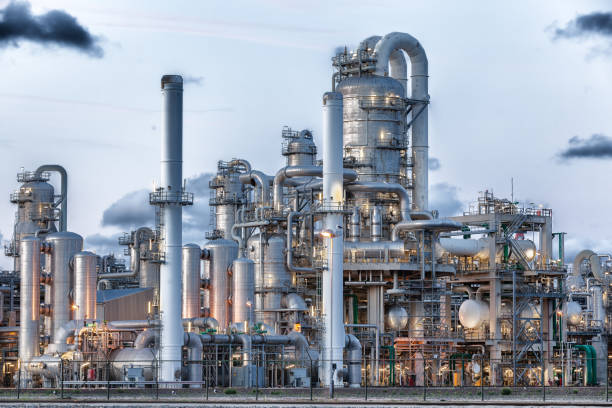
Viton® O-rings are used in situations where standard rubbers cannot perform. Thanks to their heat and chemical resistance, they play a key role in the automotive industry. You’ll find FKM O-rings in fuel systems, engines, and transmissions, where they are exposed long-term to oils, gasoline, or diesel. Viton® O-rings are also widely used in aerospace applications, where their ability to withstand extreme temperatures makes them particularly suitable.
In addition, these high-performance seals are essential in the chemical and petrochemical industries. They resist aggressive solvents and fuels, making them ideal for pumps, valves, compressors, and piping systems. For the pharmaceutical and food industries, special Viton® compounds are available that meet FDA and EC standards, ensuring safe use in contact with food and medicines.
Finally, Viton® O-rings are increasingly found in industrial machinery and hydraulic systems. Here, their reliability and long service life are especially valuable. The combination of heat resistance, low compression set, and durability makes them an excellent choice for applications where failure or leakage is simply not an option.
What is the difference between FKM (Viton®) and NBR?
NBR and FKM (Viton®) are both widely used materials for O-rings. Their performance differs greatly, and this is due to their completely different chemical compositions. These differences directly explain why they are used in very different applications.
Whereas NBR is a copolymer of acrylonitrile and butadiene, FKM consists of fluoroelastomers with a high fluorine content. This specific structure directly determines how they behave when exposed to heat, oil, and chemicals. The most important differences are summarized in the table below:
| Property | NBR (Nitrile Rubber) | FKM (Viton® / Fluoroelastomer) |
|---|---|---|
|
Composition |
Copolymer of acrylonitrile (ACN) and butadiene | Fluoroelastomer with high fluorine content |
|
Temperature range |
–30 °C to +100 °C (short-term up to +120 °C) | –20 °C to +200 °C (special grades up to +250 °C) |
|
Oil/Fuel resistance |
Good, depending on ACN content | Excellent, including resistance to aromatic hydrocarbons |
|
Chemical resistance |
Limited; sensitive to solvents, ozone, and oxidation | Very broad; resistant to oils, fuels, solvents, and chemicals |
|
Weather/Ozone resistance |
Moderate; ages quickly under UV and ozone exposure | Very good; high resistance to aging and oxidation |
|
Cost |
Relatively low; cost-effective solution | Higher; premium material for demanding applications |
FAQ
Standard Viton® O-rings operate between –20 °C and +200 °C. Special variants can even withstand –40 °C to +250 °C.
Yes, they are resistant to oils, fuels, and solvents. Only ketones, strong acids, and bases can attack them.
Mainly in engines, fuel systems, pumps, and chemical plants. They are also widely used in aerospace and pharmaceuticals.
Conclusion
Viton® O-rings, also known as FKM or FPM O-rings, deliver outstanding performance where standard seals fall short. Thanks to their high temperature resistance, low compression set, and broad chemical resistance, they are widely used in the automotive industry, chemical plants, pumps, compressors, and aerospace. Compared to NBR O-rings, they are more expensive, but they offer greater reliability and a longer service life in critical applications.
In short: anyone looking for a durable, heat-resistant, and chemically resistant seal will quickly turn to Viton® O-rings. Want to learn more or order the right FKM O-ring directly? Browse our range or contact us for tailored advice.