Buy NBR O-Ring 60 Shore A? | Large Stock of NBR O-Rings 60 Shore A
check 430.000.000+ O-rings in stock
check Fast delivery

check Fast delivery

check 430.000.000+ O-rings in stock

NBR - Nitrile O-rings - 60 Shore A

NBR - Nitrile O-rings - 60 Shore A

Improve your sealing performance with our O-ring NBR - 60 Shore A, ideal for applications involving oils, greases, and fuels due to its superior resistance. This O-ring provides a flexible and effective seal, although it is not suitable for use with UV radiation or biological oils, greases, and fuels. Also see the NBR material page for an overview of all NBR hardness grades and applications.

Half o-ring
Filter results
close
ID (Inner diameter) info
mm
mm
AS568 Size Chart info
close
Show more
In stock
close
Show more
CS (Cross Section) info
mm
mm
Color
close
Show more
Product
Specifications
Dimensions
in mm
Material
Hardness
Color
O-ring Code
Approval
Stock
Price
126.37x6.99 126.37 mm x 6.99 mm
NBR - Nitrile
60
Black
429
none
812
812
€ 2,69
126.6x3.53 126.6 mm x 3.53 mm
NBR - Nitrile
60
Black
none
2068
2068
€ 1,08
126.67x2.62 126.67 mm x 2.62 mm
NBR - Nitrile
60
Black
159
none
1621
1621
€ 0,74
145.42x6.99 145.42 mm x 6.99 mm
NBR - Nitrile
60
Black
435
none
895
895
€ 3,07
10.52x1.83 10.52 mm x 1.83 mm
NBR - Nitrile
60
Black
none
82425
82425
€ 0,04
1 meter x
NBR - Nitrile
60
Black
none
490
490
€ 0,34
1 meter x
NBR - Nitrile
60
Black
none
120.3x2.62 120.3 mm x 2.62 mm
NBR - Nitrile
60
Black
none
2889
2889
€ 0,72
9.12x3.53 9.12 mm x 3.53 mm
NBR - Nitrile
60
Black
204
none
33874
33874
€ 0,08
18.77x1.78 18.77 mm x 1.78 mm
NBR - Nitrile
60
Black
018
none
43171
43171
€ 0,05
20.29x2.62 20.29 mm x 2.62 mm
NBR - Nitrile
60
Black
117
none
16034
16034
€ 0,09
29.82x2.62 29.82 mm x 2.62 mm
NBR - Nitrile
60
Black
123
none
8308
8308
€ 0,13
37.47x6.99 37.47 mm x 6.99 mm
NBR - Nitrile
60
Black
none
3323
3323
€ 1,02
69.22x5.33 69.22 mm x 5.33 mm
NBR - Nitrile
60
Black
335
none
1695
1695
€ 0,94
69.52x2.62 69.52 mm x 2.62 mm
NBR - Nitrile
60
Black
148
none
5240
5240
€ 0,41
110.72x3.53 110.72 mm x 3.53 mm
NBR - Nitrile
60
Black
245
none
3341
3341
€ 0,94
113.67x6.99 113.67 mm x 6.99 mm
NBR - Nitrile
60
Black
425
none
113.9x3.53 113.9 mm x 3.53 mm
NBR - Nitrile
60
Black
none
3207
3207
€ 0,97
135.9x6.99 135.9 mm x 6.99 mm
NBR - Nitrile
60
Black
none
559
559
€ 2,81
247.02x5.33 247.02 mm x 5.33 mm
NBR - Nitrile
60
Black
376
none
713
713
€ 4,22
155x4.5 155 mm x 4.5 mm
NBR - Nitrile
60
Black
none
101x6.99 101 mm x 6.99 mm
NBR - Nitrile
60
Black
none
133x2.62 133 mm x 2.62 mm
NBR - Nitrile
60
Black
none
3215
3215
€ 0,77
116.8x5.33 116.8 mm x 5.33 mm
NBR - Nitrile
60
Black
none
4.48x1.78 4.48 mm x 1.78 mm
NBR - Nitrile
60
Black
none
89839
89839
€ 0,02
21.82x3.53 21.82 mm x 3.53 mm
NBR - Nitrile
60
Black
212
none
8013
8013
€ 0,16
113.98x2.62 113.98 mm x 2.62 mm
NBR - Nitrile
60
Black
none
4247
4247
€ 0,69
94.62x5.33 94.62 mm x 5.33 mm
NBR - Nitrile
60
Black
343
none
1098
1098
€ 1,22
75.57x5.33 75.57 mm x 5.33 mm
NBR - Nitrile
60
Black
337
none
2811
2811
€ 1,01
50.16x5.33 50.16 mm x 5.33 mm
NBR - Nitrile
60
Black
none
2169
2169
€ 0,62
Compare
Do you have a question about an o-ring?
We’re here to help!
If you have questions about the best material for your specific application, you can always contact one of our specialists. They will be happy to help you find the right material for your sealing application.
schedule Opening hours: Mon - Thu 8:15 AM – 5:15 PM | Fri 8:15 AM – 3:00 PM
live chat

What Is an O-ring NBR - 60 Shore A?

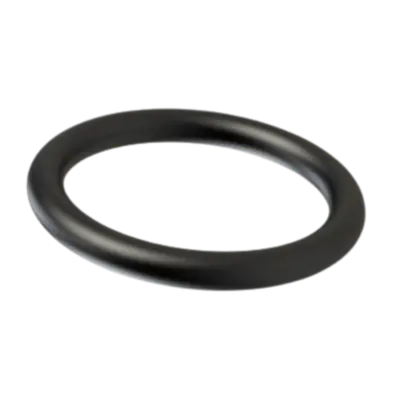
An O-ring NBR 60 Shore A is a sealing ring made from nitrile rubber with a hardness of 60 Shore A. These O-rings are renowned for their excellent resistance to oils, fuels, and aliphatic hydrocarbons, making them widely used in the automotive and aviation industries.

The hardness of 60 Shore A provides the O-ring with good flexibility, allowing it to effectively seal in lower pressure applications and conform well to surfaces. NBR O-rings also resist wear and offer good mechanical properties, making them suitable for dynamic applications.

An O-ring NBR - 60 Shore A operates effectively within a temperature range of -40°C to +120°C. While they exhibit less resistance to ozone, UV radiation, and weathering compared to other elastomers, they still provide an excellent balance between performance and cost-effectiveness, making them a popular choice for various industrial applications.

Properties of an NBR 60 O-ring

The properties of the NBR O-ring 60 Shore A include excellent resistance to oils, fuels, and aliphatic hydrocarbons, making them ideal for automotive and industrial applications. With a hardness of 60 Shore A, these O-rings are flexible and can effectively seal in lower pressure applications while conforming well to irregular surfaces.


In comparison to an O-ring NBR - 70 Shore A, which is harder and less flexible, the 60 Shore A variant offers better performance in lower pressure and higher compression scenarios. Conversely, an O-ring NBR - 70 Shore A provides greater wear resistance and performs better in dynamic applications.

O-rings NBR - 90 Shore A are even harder and are used in applications involving high pressure and mechanical stress, but they lack the flexibility of the 60 Shore A variant. This makes an O-ring NBR - 60 Shore A particularly suitable for applications requiring a combination of flexibility and oil resistance.

Advantages of O-ring NBR - 60 Shore A

The benefits of an O-ring NBR - 60 Shore A are numerous, making them a popular choice in various industrial applications. These O-rings offer excellent resistance to oils, fuels, and aliphatic hydrocarbons, making them ideal for use in the automotive and aviation industries.

The hardness of 60 Shore A provides an optimal balance between flexibility and strength, allowing them to effectively seal in lower pressure applications and conform well to irregular surfaces. Additionally, NBR O-rings are wear-resistant and exhibit good mechanical properties, ensuring long life and reliability in dynamic applications.

The temperature range of -40°C to +120°C makes an O-ring NBR - 60 Shore A suitable for diverse environments. Moreover, NBR O-rings are cost-effective, making them an economical choice without compromising on performance and quality.
Applications of O-ring NBR - 60 Shore A

The applications of an O-ring NBR - 60 Shore A are diverse, thanks to their excellent resistance to oils, fuels, and aliphatic hydrocarbons. These O-rings are widely used in the automotive sector for seals in engines and fuel systems, as well as in the aviation industry. Their flexibility and adaptability make them ideal for low-pressure applications and surfaces with irregularities.

In comparison, an O-ring NBR - 70 Shore A offers greater wear resistance and strength, making it better suited for dynamic applications with higher pressure and mechanical loads. On the other hand, O-rings NBR - 90 Shore A are even harder and are used in heavy-duty industrial applications where high pressure and mechanical stress occur, but they lack the flexibility of the 60 Shore A variant.

Therefore, an O-ring NBR - 60 Shore A is often chosen for applications where a combination of flexibility, oil resistance, and adaptability is essential, while the 70 and 90 Shore A variants perform better in moderately and heavily loaded environments, respectively.

Disadvantages of O-ring NBR - 60 Shore A

The drawbacks of an O-ring NBR - 60 Shore A include several limitations that may affect their suitability for certain applications. These O-rings have relatively low resistance to ozone, UV radiation, and weather conditions, making them less suitable for outdoor applications. Additionally, they offer limited resistance to strong acids, bases, and aromatic hydrocarbons, which reduces their chemical resistance in aggressive environments.

The hardness of 60 Shore A, while beneficial for flexibility, can also mean that they are less resistant to wear and may wear out faster under high pressure and dynamic applications compared to harder variants like 70 Shore A or 90 Shore A. Therefore, an O-ring NBR - 60 Shore A may not be the best choice for heavy-duty industrial applications where higher pressure and mechanical stress are required. These drawbacks should be carefully considered when selecting the right sealing material for specific applications.

Need advice on choosing the right material? Contact one of our specialists for assistance.