430.000.000+ O-rings in stock
Fast delivery


 Nederlands
  Deutsch
  Français
  Italiano
  Español
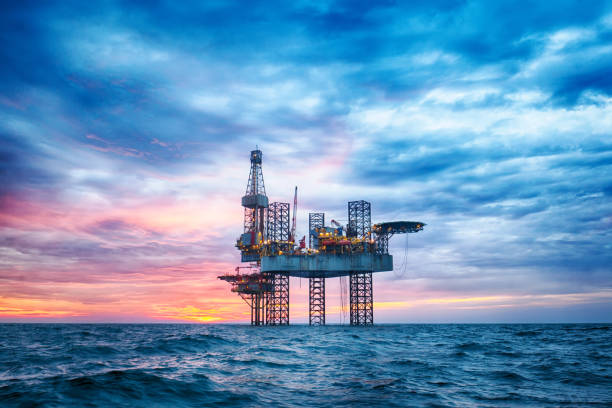
O-rings are an essential part of the oil and gas industry. They provide reliable sealing in subsea systems, valves, compressors, and other critical equipment that often operate under extreme pressure and in challenging environments. The correct material and design are crucial to prevent leaks, ensure process continuity, and comply with strict safety standards such as AED and NORSOK M710.
O-rings are an essential part of the oil and gas industry. They provide reliable sealing in subsea systems, valves, compressors, and other critical equipment that often operate under extreme pressure, temperature fluctuations, and corrosive environments. The correct material selection, profile design, and installation are crucial to prevent leaks, ensure process continuity, and comply with strict safety standards such as AED and NORSOK M710.
In subsea systems, O-rings provide leak-free connections at connectors, valves, and hydraulic actuators, where quick access is often not possible and repairs are costly or risky. In valves and compressors, they keep oil, gas, and other fluids safely within the pipelines, even under high pressure, fluctuating temperatures, or in the presence of aggressive media such as seawater and sulfur-containing gases. In pump installations, mechanical shaft seals, and control valves, O-rings contribute to reliable performance, reduce component wear, and help limit failures.
The lifespan and performance of O-rings are strongly linked to material, groove design, and correct installation. Properly installed seals minimize deformation, extrusion, and compression loss. This extends maintenance intervals, reduces repair or replacement costs, and increases operational reliability in both offshore and onshore installations. Moreover, using high-quality O-rings contributes to the safety of personnel and the environment, especially in situations where quick access to components is limited or dangerous.
The correct O-ring not only reduces the risk of leakage but also increases the reliability and lifespan of installations. In subsea systems or offshore platforms, a leaking seal can lead to high repair costs and safety risks. By choosing high-quality materials and the correct dimensions, maintenance intervals are extended, operational continuity is ensured, and the risk of incidents is greatly reduced. Thus, O-rings are a crucial component of both technical performance and safety in the oil and gas industry.
The performance and lifespan of O-rings depend heavily on the chosen material, profile design, surface finish, and installation quality. Correctly installed O-rings limit wear, extrusion, and compression loss, allowing them to function longer without defects. This extends maintenance intervals, reduces unexpected downtime, and lowers repair costs, which is crucial in offshore installations or remote onshore locations where quick access is difficult. Regular inspections combined with high-quality seals also help prevent leaks of hazardous substances, protect personnel and the environment, and reduce the risk of production loss. Integrating the correct O-rings in both dynamic and static applications, along with suitable backup rings and lubricants, is key to both reliability and safety in complex oil and gas installations.
Our O-rings meet strict certifications such as NORSOK M710 and AED, making them highly suitable for critical applications in the oil and gas industry. These certificates guarantee that the O-rings have been tested under extreme conditions such as high pressure, temperature fluctuations, exposure to sour gas, and rapid pressure drops. With certified O-rings, you are assured of reliable seals that increase safety, reduce maintenance costs, and ensure the operational continuity of your installations.
Our NORSOK M710 O-rings have been tested for rapid gas decompression (RGD) and aging from H₂S, which is crucial for subsea installations, valves, and well completion systems. This certificate demonstrates that the materials meet the strictest requirements of the Norwegian oil and gas industry, ensuring long-term reliable performance in aggressive environments.
AED-certified O-rings are specially designed to withstand explosive decompression. They prevent cracks and leaks during rapid pressure changes in gas and hydraulic systems. For oil and gas installations, this means higher safety, longer seal life, and reduced likelihood of failures in critical systems.
The extreme conditions in the oil and gas industry require O-rings made from high-quality materials. Common options include:
FKM (Viton®): Excellent resistance to oil, fuels, and high temperatures; ideal for dynamic applications such as valves and compressors.
FFKM (Perfluoroelastomer): Extremely chemically resistant and heat resistant; suitable for subsea systems and critical gas lines; low outgassing and minimal particle generation.
PTFE: Nearly universal chemical resistance and low friction; used in static seals or as a coating over elastomer.
FEPM (Aflas®): Resistant to amines, sulfur-containing gases, and high temperatures; used in gas lines where FKM is insufficient.
NBR: Good oil resistance and affordable; suitable for less aggressive applications or external equipment.
Note: All materials must comply with certifications such as NORSOK M710, which guarantee mechanical strength, temperature resistance, and backup performance.